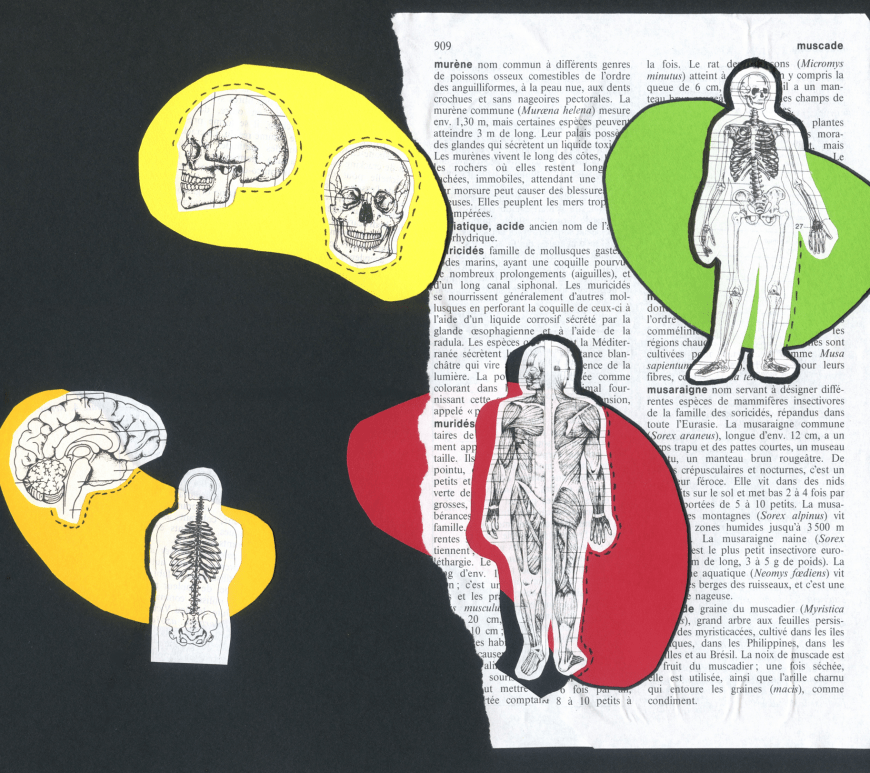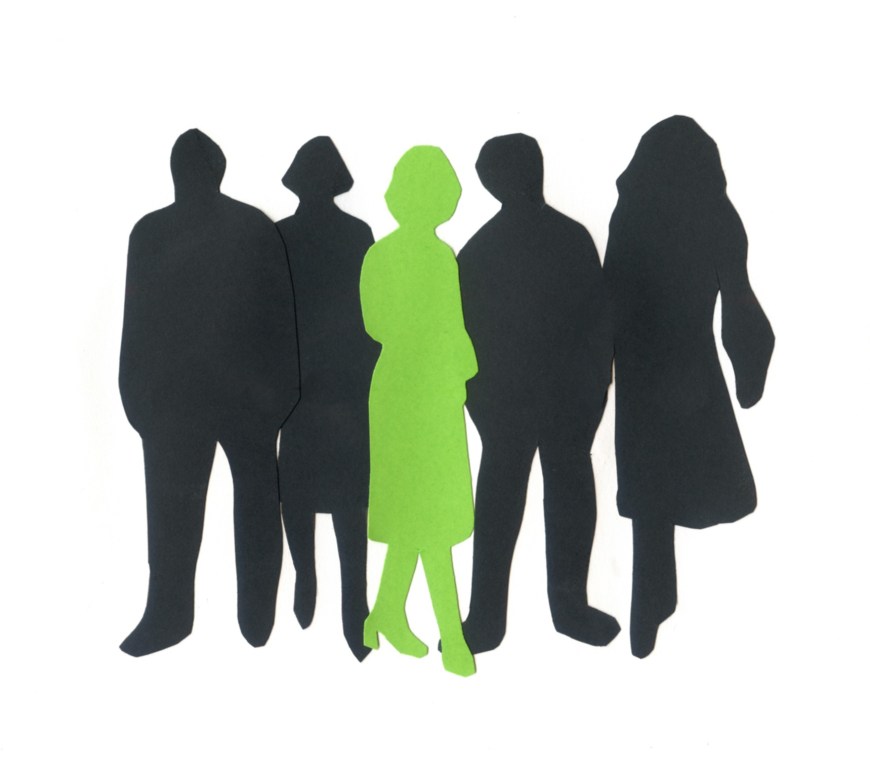
The “normalizing” vs the “pathologizing” discourses

Franzén and Gottzén (2011) identify two discourses that offer a contrasting view on self-harm: the “normalizing” and the “pathologizing” discourses. They remark both discourses can be found in online communities and used simultaneously as people who self-harm often express ambivalence. The “normalizing” discourse The normalizing discourse tends to see self-harm as a legitimate coping mechanism against mental health problems. People who self-harm are described as … Continue reading The “normalizing” vs the “pathologizing” discourses

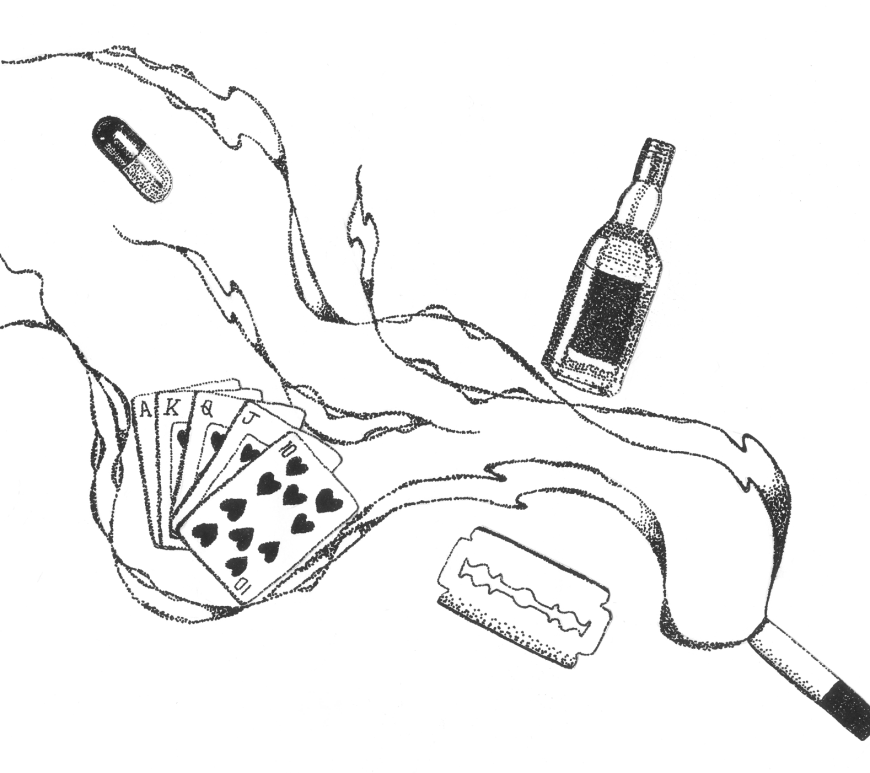
Innovation: Self-harm Safe Kits

Self-harm, along with mental health in general, remains a deeply stigmatized and misunderstood topic. Young people who struggle with the behavior report having difficulties talking about it and suicide thoughts as they do not feel listened to. Furthermore, they can also suffer from judgment when seeking treatment in hospitals where self-harm remains perceived negatively (Ashworth et al., 2022). In order to combat the stigma that … Continue reading Innovation: Self-harm Safe Kits

“Attention-needing”, not “attention-seeking”

People who let others know they self-harm, either by telling them or showing injuries, are often blamed for being « attention-seeking ». This term has a negative connotation and suggests these people are manipulative and do not have any legitimate reasons to feel bad. Yet, if someone self-harms, they do so for legitimate reasons. Self-harm should not be judged and there should not be a … Continue reading “Attention-needing”, not “attention-seeking”

The Person-Centered Model of Self-Injury Recovery

In an article published in 2021, Self-injury recovery: A person-centered framework, Stephen P. Lewis and Penelope A. Hasking argue that recovery is a complex and non-linear process that varies from one individual to another and cannot be reduced to cessation of self-harm only. “Indeed, NSSI recovery is not a one‐shoe‐fits‐all process” they explain. They suggest a model of recovery that is person-centered. Their Person-Centered Model … Continue reading The Person-Centered Model of Self-Injury Recovery

Should you quantify progress in self-injury recovery?

Many people who self-harm celebrate spending a certain amount of time “clean” of self-harm. Counting days since the last event of self-harm can be a great source of motivation to some but it can also put pressure on others. When someone relapses and self-harms again, this method can become unforgiving and demotivating: it sets the number of days without self-harm back to zero and progress … Continue reading Should you quantify progress in self-injury recovery?

Is self-harm an addiction?

Non-suicidal self-injury (NSSI) has no well-established diagnosis yet. While episodes of self-inflicted injury that occurred only once or a twice are considered NSSI by some researchers and health-care providers, another definition argues that NSSI is a repetitive behavior1. NSSI has no diagnosis in the DSM-5 yet, but it is included as a condition for further study and the proposed diagnosis states that NSSI is a … Continue reading Is self-harm an addiction?

The science behind self-injury: what happens in the body

Research about non-suicidal self-injury (NSSI) is still relatively new, but it is developing through different approaches such as the psychological, cultural, and more recently biological approach. Yet, it is still poorly understood from biological and clinical perspectives1. These perspectives can be valuable for the understanding of self-harm. Self-reported data is not always accurate and there is a need for “laboratory tasks” to “clarify the mechanisms … Continue reading The science behind self-injury: what happens in the body