Exploring the role of blood in self-injury

The following article deals with sensitive topics which may be distressing to some readers. Non-suicidal self-injury (NSSI) is the intentional damage of one’s body without suicidal intent and for reasons that are not socially or culturally accepted. Several methods are used, such as cutting, burning, hitting or scratching. Depending on the method used and the severity of the injury, the behavior can draw blood. From … Continue reading Exploring the role of blood in self-injury

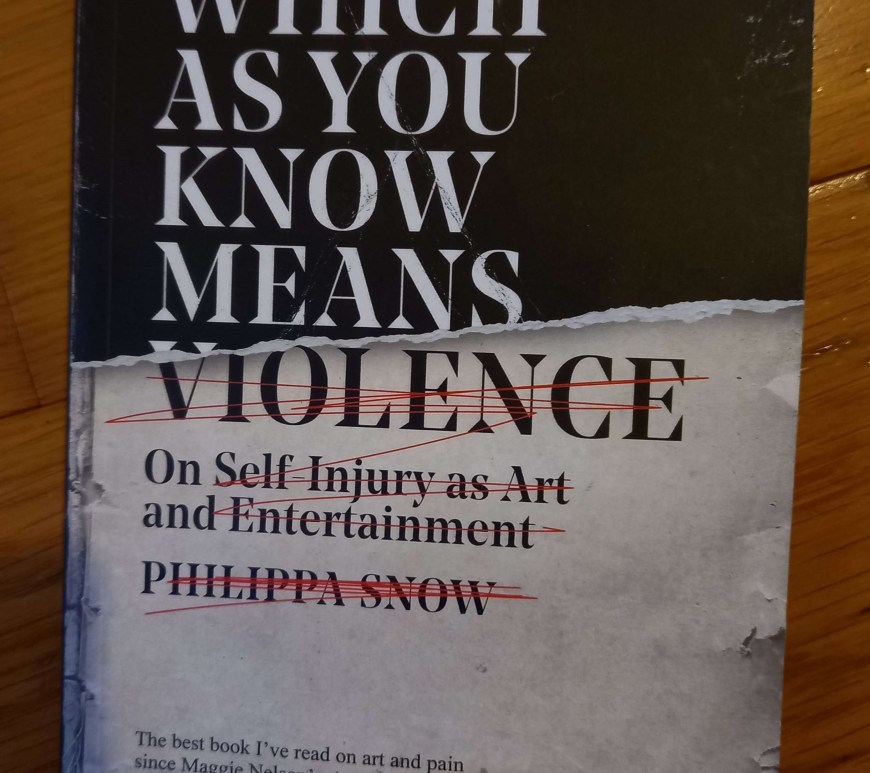
The “normalizing” vs the “pathologizing” discourses

Franzén and Gottzén (2011) identify two discourses that offer a contrasting view on self-harm: the “normalizing” and the “pathologizing” discourses. They remark both discourses can be found in online communities and used simultaneously as people who self-harm often express ambivalence. The “normalizing” discourse The normalizing discourse tends to see self-harm as a legitimate coping mechanism against mental health problems. People who self-harm are described as … Continue reading The “normalizing” vs the “pathologizing” discourses

Innovation: Self-harm Safe Kits

Self-harm, along with mental health in general, remains a deeply stigmatized and misunderstood topic. Young people who struggle with the behavior report having difficulties talking about it and suicide thoughts as they do not feel listened to. Furthermore, they can also suffer from judgment when seeking treatment in hospitals where self-harm remains perceived negatively (Ashworth et al., 2022). In order to combat the stigma that … Continue reading Innovation: Self-harm Safe Kits

“Attention-needing”, not “attention-seeking”

People who let others know they self-harm, either by telling them or showing injuries, are often blamed for being « attention-seeking ». This term has a negative connotation and suggests these people are manipulative and do not have any legitimate reasons to feel bad. Yet, if someone self-harms, they do so for legitimate reasons. Self-harm should not be judged and there should not be a … Continue reading “Attention-needing”, not “attention-seeking”